Samson’s Expedition
In one final effort to make the most of 2020, I embarked on an overland journey across Western Canada with two friends from Toronto. Since the pandemic was still ongoing at the time, we chose not to visit crowded provincial or national parks. Instead, we explored an extensive network of forest service and logging roads, where we were often completely on our own. This approach not only felt like the safest way to travel under the circumstances, but also led us to some truly hidden and unforgettable places.
The Expedition Vehicle
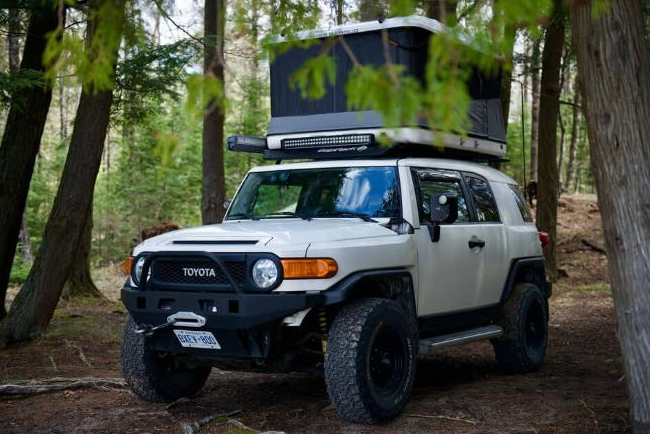
For this trip, we relied on a single vehicle: my 2009 Toyota FJ Cruiser. Because we had only one rig for the entire expedition, it was essential to make sure it was properly equipped for remote travel and off-road terrain. On a solo-vehicle journey like this, being overprepared is never a bad thing.
Vehicle Upgrades and Recovery Gear
The modifications on the FJ were relatively modest, but they were more than enough for the demands of the route. The setup included a Bilstein 5100 suspension kit with OME front and rear springs, a Coastal Offroad high-clearance front bumper, an upgraded roof rack with a hard-shell rooftop tent, flood lights, aluminum skid plate armor, and an ARB side awning.
When it came to recovery equipment, we focused on packing smart and keeping things efficient without carrying unnecessary weight. Our essential gear included wrenches, a socket set, a breaker bar, the factory bottle jack, a 10,000 lb winch mounted to the front bumper, skid plate protection, Maxtraxx recovery boards, a recovery bag with a snatch block, tree saver, kinetic strap, tow strap, and shackles, along with an air compressor, a tire repair kit, and a battery booster.
The Journey
The first major leg of the trip, from Toronto to Vancouver Island, was a serious endurance test. We drove an average of 12 hours a day and made the trip in just four days, totaling roughly 48 hours on the road. By the end of that stretch, we had covered more than 4,500 kilometers, or around 2,800 miles, and were completely exhausted.
After arriving on Vancouver Island, we made a quick stop and took a few days to recover. Once we were rested, we caught the ferry back to the mainland, where the real adventure began. Starting near Harrison Lake, northeast of Chilliwack, we headed straight into the backcountry. On the western side of British Columbia, the weather was consistently damp, with a light mist and steady rain following us through much of the route. Fortunately, we had the gear we needed to stay warm and dry at camp. Along the way, we made a brief stop at the hot springs before continuing on to Nahatlatch Fire Lookout, where we were rewarded with incredible views of the mountains and the valley below.
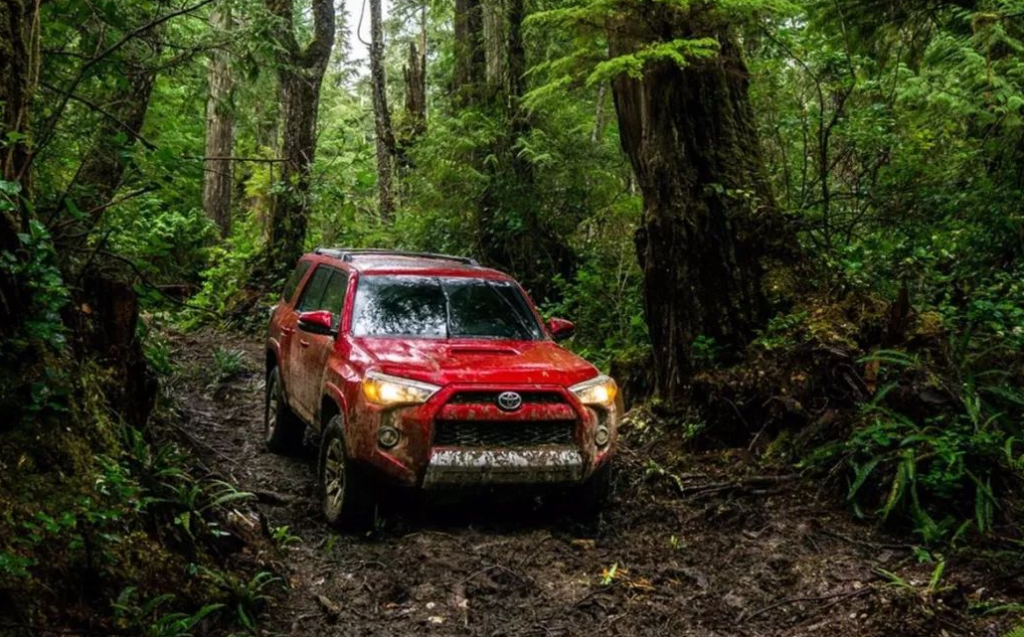
From there, we traveled east toward Spillimacheen and once again made our way deep into the mountain trails. The climate on this side of British Columbia was completely different from what we had experienced farther west. Instead of rain and mist, the conditions were dry, and most days were bright and clear. We were incredibly fortunate to have such good weather, because without it, capturing any meaningful scenic footage would have been almost impossible.
What We Found
It would take hours to fully describe how unforgettable this expedition was, but the experience is best captured in the short cinematic film I created along the way. That film tells the story far better than words alone ever could.
In the end, the FJ handled every challenge the expedition presented. The high-clearance front bumper from Coastal Offroad proved especially valuable on the narrow, twisting, and unpredictable mountain terrain. Overall, I was extremely satisfied with how the vehicle performed, and even more pleased that it was able to confidently support a single-vehicle expedition through such remote areas.
What we discovered out there was nothing short of incredible, and it made every long hour behind the wheel worth it. Although it was difficult to leave, one thing became very clear by the end of the trip: we will definitely be returning to explore more of these hidden gems in the near future.