In Summary
Tire chains differ greatly depending on the material used.
They should basically be fitted to the driven wheels.
When chain controls are in force, even a vehicle on studless tires alone may not be allowed to continue.
When and Why Tire Chains Matter
Even though the season has begun to feel more like spring, there are still regions covered in snow, and some places continue to see snow measured in meters. Studless tires remain essential for winter driving, but it is equally important not to forget that there are situations in which tire chains are still necessary. This article explains when tire chains should be used and what drivers need to keep in mind.
The Main Types of Tire Chains
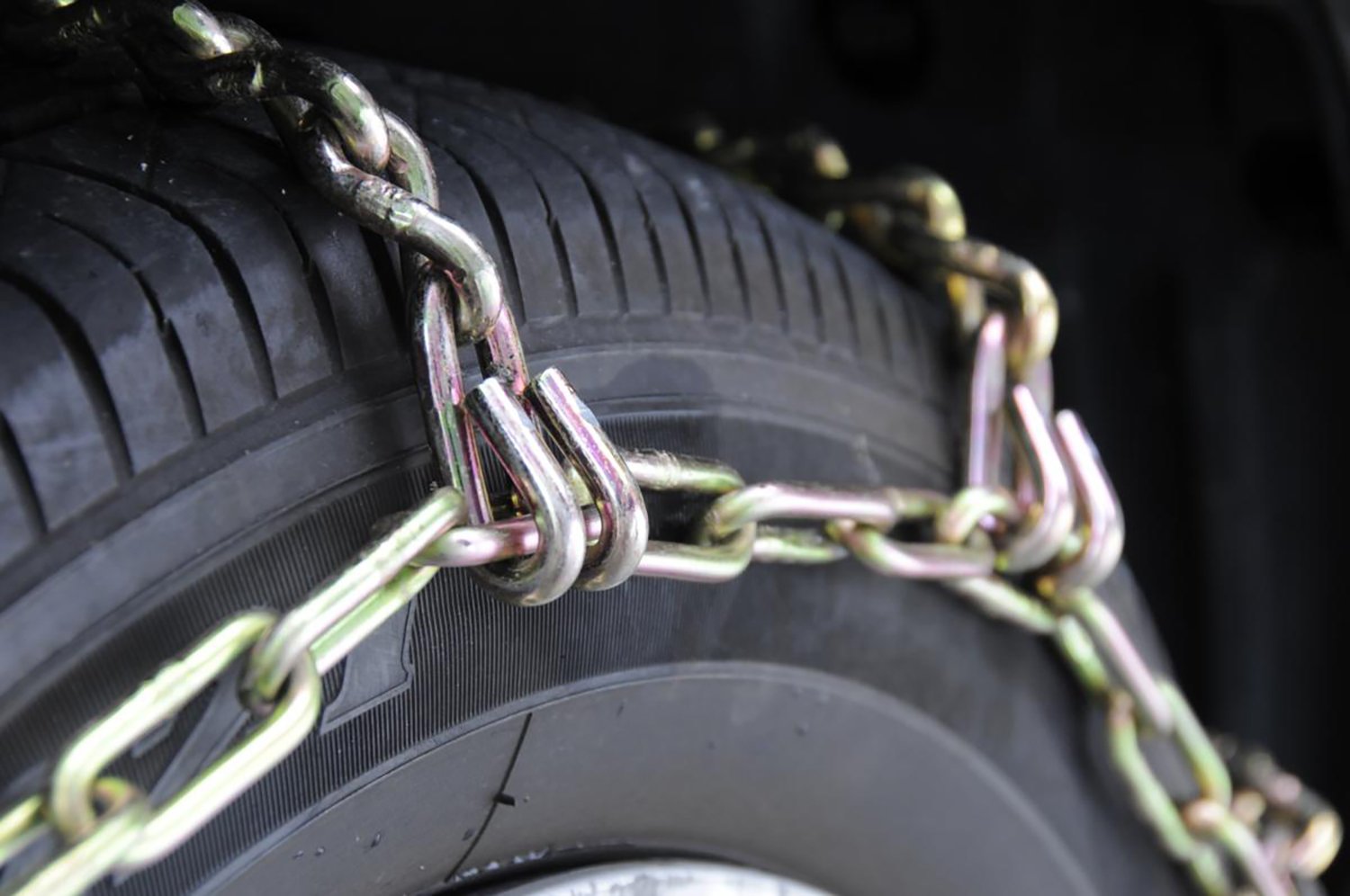
Although the term tire chain sounds simple, there are several different kinds. Broadly speaking, they are divided by material into three groups: metal chains, resin chains made from materials such as rubber or urethane, and cloth-type chains often sold as snow socks.
Traditional metal chains are very durable, but they are heavy and require some familiarity to install properly. Vibration while driving is also relatively strong, which can make longer distances tiring. Resin chains are easier to fit than metal ones and offer a better balance overall, including less vibration while driving, although they are usually more expensive. Cloth chains are the easiest to imagine because they are essentially fitted over the tire like a sock, but they are best treated as emergency-use items rather than something for long-distance travel.
What Else You Should Have Ready
If conditions are bad enough that chains are needed, the outside temperature will usually be extremely low. Installing chains with bare hands is out of the question. Waterproof gloves are essential so that your hands do not get wet and numb. It is also wise to carry a shovel for clearing snow, preferably a metal one, together with a flashlight, disposable body warmers, and rainwear so that your clothes do not become soaked while working in snow.
Which Tires Should Wear the Chains?
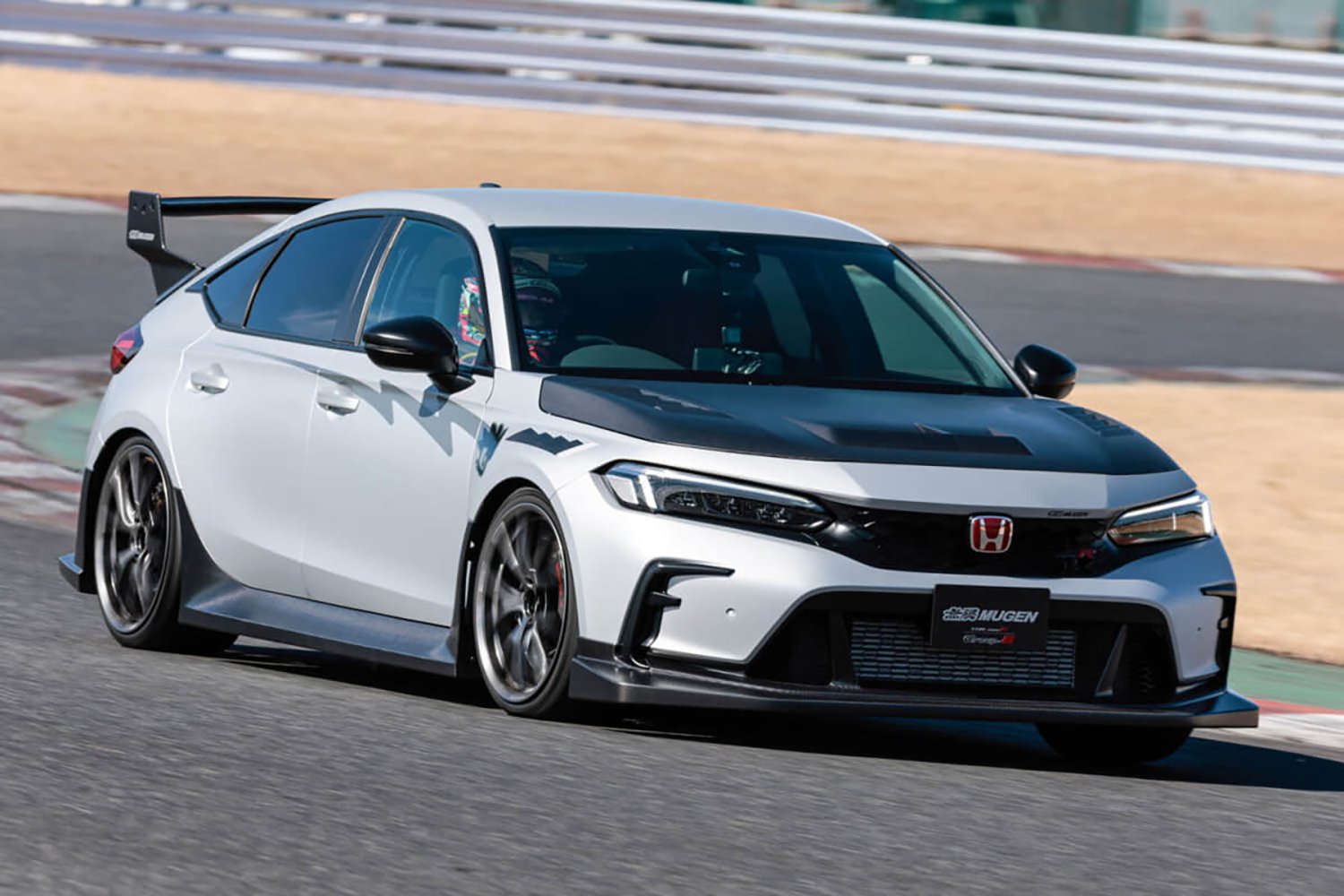
The basic rule is simple: fit chains to the driven wheels. On a front-wheel-drive vehicle, that means the front tires. On rear-wheel-drive or mid-engine rear-wheel-drive vehicles, it means the rear tires. On four-wheel-drive models, the answer depends on the specific vehicle, so if there is any doubt, the owner’s manual should be checked. It will normally explain with illustrations whether the front or rear wheels are the correct location.
Important Cautions When Driving with Chains
After chains are fitted, it is not safe to treat the problem as solved and drive at speed. Doing so can damage the chains and may even damage the vehicle itself. As a practical guide, metal chains should be kept to about 30 km/h, while resin and cloth types should be treated as suitable for about 50 km/h at most.
It is also important to understand that driving on snow with normal tires is not only dangerous but may also result in penalties under traffic law. Using normal tires together with chains is not automatically forbidden, but it should be regarded as an emergency response rather than a proper winter setup. The safer approach is to use studless tires and fit chains only when conditions require them.
Studless Tires Are Not Always Enough
Drivers should also know that wearing studless tires on all four wheels does not automatically mean every snowy road can be driven safely or legally. In very heavy snowfall, chain controls may be applied on expressways. When that happens, vehicles that are not fitted with chains are not allowed to continue, even if they are already on studless tires. That is why carrying chains and understanding how to use them remains important even for drivers who already have a winter tire setup.