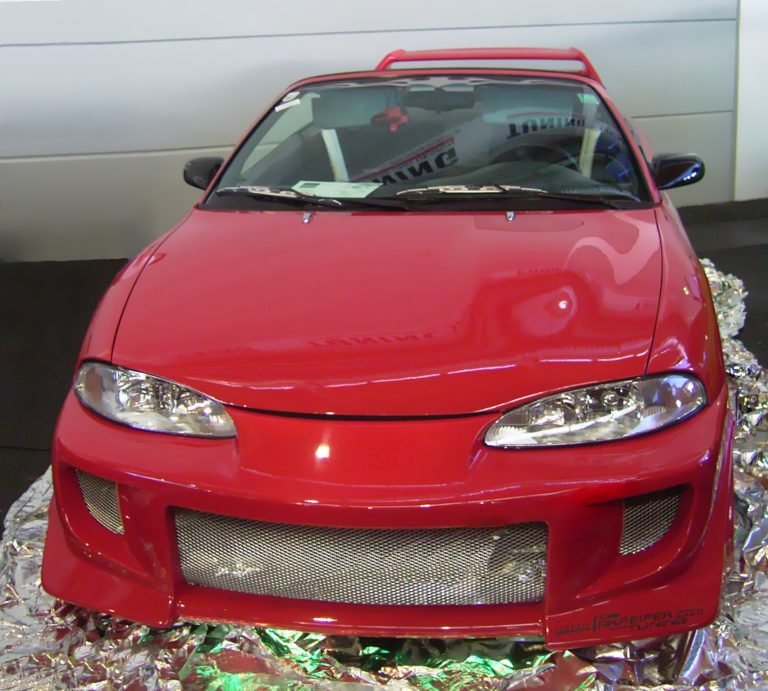
Datamasters Expansion Reflects Rising Parts Demand is a practical topic for builders who want smarter upgrades, not random part swapping. Based on current media signals and market demand (Datamasters Expands Automotive Mailing Lists and Vehicle Owner Data Offerings as Aftermarket Parts Market Enters Peak Spring Season The Fayetteville Observer), this guide turns the trend into an actionable build strategy focused on car modification, car tuning, and aftermarket parts.
How To Plan A Reliable car modification Project
Good modification results start with system thinking. Every component affects another part of the vehicle, so the best approach is to map use cases first, then choose compatible upgrades. This avoids the common cycle of replacing parts twice and protects your budget.
- Define one clear goal: trail reliability, daily comfort, towing support, or track response.
- Match tire size, wheel offset, and suspension travel before buying cosmetic parts.
- Choose parts with published test data, warranty terms, and realistic lead times.
- Allocate budget in phases: safety first, drivability second, appearance third.
Four-Step Upgrade Path For Better Performance
Instead of rushing into expensive mods, apply upgrades in sequence. This keeps the platform balanced and makes each change measurable on road and trail.
- Stage 2: Chassis upgrades such as springs, dampers, bushings, and sway-bar tuning.
- Stage 3: Wheel and tire package optimized for your terrain and steering geometry.
- Stage 4: Utility additions including roof systems, recovery points, and lighting.
- Stage 1: Baseline service, brake inspection, alignment, and ECU diagnostics.
Budget, Compliance, And Daily Usability
For most owners, the winning setup is not the loudest or highest lift. It is the one that remains legal, safe, and easy to maintain. Before finalizing parts, check local regulations, insurance implications, and whether replacement consumables are easy to source.
A useful budget rule for car modification: 50% on core hardware, 30% on installation and tuning, and 20% reserved for follow-up adjustments after real-world testing.
Recommended Parts Priorities In 2026
Across current build trends, owners are prioritizing durability and function over decorative-only upgrades. If your goal is long-term value, prioritize suspension quality, tire compound, brake consistency, and thermal management before cosmetic additions.
Final Build Advice
Use data logs, alignment reports, and post-install driving feedback to tune your setup over time. A controlled, staged process will always outperform one-time aggressive modifications.